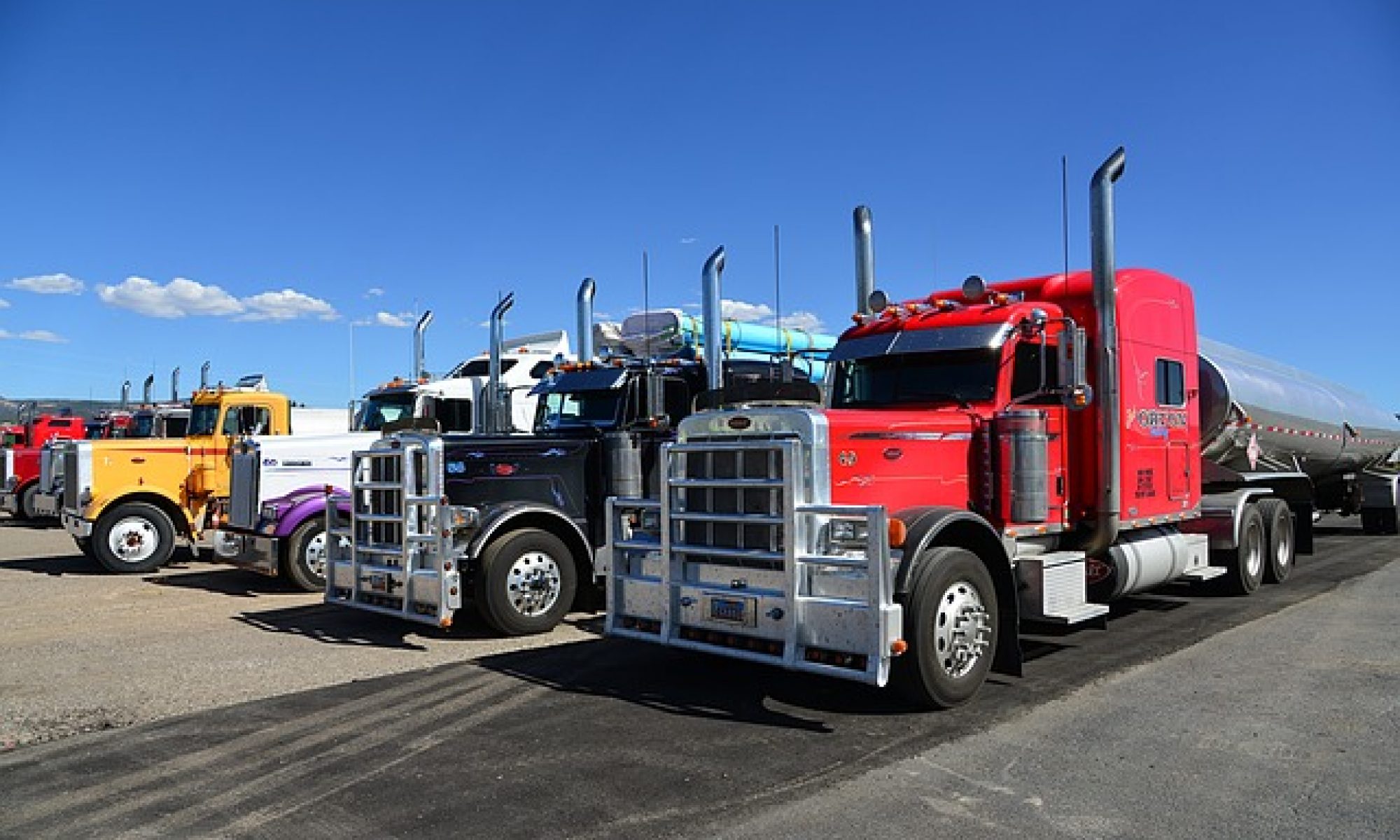

The Tennessee Valley Industrial Corridor: Where Mobile Mechanics Meet Manufacturing’s Most Demanding Repair Challenges
The Tennessee Valley Industrial Corridor has emerged as one of America’s most dynamic manufacturing powerhouses, stretching across seven states and hosting more than 132,000 individuals employed in manufacturing industrial products. This massive industrial ecosystem, anchored by world-renowned companies including Caterpillar, John Deere Power Products, Whirlpool Corporation, General Electric, and Nucor Steel, has created unprecedented demands for mobile mechanic services that can keep pace with high-volume commercial traffic.
The Manufacturing Boom Driving Demand
Tennessee has attracted an increasing number of manufacturing investments in recent years, with projects announced by companies from around the world and billions of dollars in investment headed to the state for EV-related manufacturing facilities. Major developments like Ford’s $5.6 billion EV campus in Stanton, Tennessee and South Korea-based LG Chem’s $3.2 billion cathode manufacturing facility in Clarksville have transformed the region’s transportation infrastructure needs.
This industrial expansion has created a ripple effect throughout the corridor. With every billion-dollar-plus factory project that comes into the state, there may be several eight- to nine-figure projects that will be built by companies that will supply locally-produced goods and materials to the factory. The result is an intricate web of manufacturing facilities, distribution centers, and supply chain operations that depend on reliable commercial vehicle transportation.
The Unique Challenges of Tennessee Valley Traffic
The Tennessee Valley’s strategic location presents both opportunities and challenges for mobile mechanics. Knoxville, along with nearby Oak Ridge and Maryville-Alcoa, forms a major research and manufacturing corridor anchored by the University of Tennessee, the Oak Ridge National Laboratory, and the Tennessee Valley Authority headquarters. The region’s extensive highway network, including I-59 connecting Chattanooga with New Orleans, I-65 as the main north-south road connecting Birmingham, Huntsville, Decatur, and Nashville, and I-75 running down the middle of the valley connecting Chattanooga and Knoxville with Atlanta and Cincinnati, creates high-traffic corridors where breakdowns can have cascading effects on supply chains.
Mobile mechanics operating in this environment must be prepared for diverse challenges. Companies like STR Towing & Recovery offer expert mobile diesel mechanic services on I-40 from Nashville to Memphis and throughout Middle Tennessee, West Tennessee, and North Mississippi, with seven locations strategically positioned throughout their service area. The scale of operations required reflects the massive volume of commercial traffic flowing through these manufacturing hubs.
Adapting to Manufacturing Hub Demands
Modern mobile mechanics serving the Tennessee Valley Industrial Corridor have evolved far beyond basic roadside assistance. Teams show up on scene with fully stocked heavy road service trucks, equipped to handle complex repairs that keep manufacturing supply chains moving. These mobile units carry the latest commercial tires from major brands, including Bridgestone, Michelin, and Continental, ensuring they can address the most common breakdown scenarios immediately.
The sophistication of these operations is evident in their comprehensive service offerings. Services include tire replacement, computer diagnostic services and repair services for engines, brakes, transmission and suspension, with 24/7 emergency assistance that recognizes the around-the-clock nature of modern manufacturing operations.
Technology and Expertise Meeting Industrial Demands
Companies serving the Tennessee Valley corridor have invested heavily in diagnostic capabilities and specialized equipment. Mobile service trucks service Class 3 to Class 8 vehicles and provide a range of mobile services from DOT Inspections and computer diagnostics to lights, oil leaks, welding and wheel-end components. This comprehensive approach is essential when serving manufacturing facilities where a single breakdown can disrupt production schedules worth millions of dollars.
The regional approach has proven crucial for success. Companies have established vast mobile repair networks through Tennessee, Kentucky and Mississippi, with mobile services that are efficient and highly-reviewed with well-established networks of mobile and fast repair experts. This geographic coverage ensures that no matter where a breakdown occurs along the industrial corridor, help is available quickly.
Local Expertise: CC Diesel Service
Regional companies like CC Diesel Service exemplify the specialized approach needed to serve Tennessee Valley manufacturing hubs. With over two decades of experience in the auto-repair industry, C&C Diesel Service prioritizes customer satisfaction above all with unwavering dedication. Their commitment to quality and speed brings exceptional service rolling right to trucks, understanding that in manufacturing environments, downtime directly impacts profitability.
Based in Alcorn County, MS, CC Diesel Service serves the broader Tennessee Valley region, including Alabama markets. Their mobile mechanics are equipped with the latest tools and technology to diagnose and resolve issues with ideal efficiency. For businesses needing reliable commercial truck repair services tuscumbia and surrounding areas, this level of expertise and responsiveness is essential for maintaining operational continuity.
The Future of Mobile Mechanics in Manufacturing Corridors
As the Tennessee Valley Industrial Corridor continues to expand, mobile mechanic services are adapting to meet increasingly sophisticated demands. Responsive teams are always ready to swiftly get vehicles back on the road, as minimizing downtime is important. The integration of advanced diagnostic technology, comprehensive parts inventory, and strategic geographic positioning represents the evolution of mobile mechanics from emergency responders to essential partners in manufacturing operations.
The success of manufacturing hubs throughout the Tennessee Valley depends not just on production capabilities, but on the reliability of the transportation networks that connect them. Mobile mechanics have become the unsung heroes of this industrial ecosystem, ensuring that the complex web of commercial traffic that keeps manufacturing operations running never stops moving. Their adaptation to high-volume commercial traffic repair demands demonstrates how service industries evolve alongside the manufacturing renaissance, creating specialized solutions for specialized challenges.