
When Your Business Depends on Pavement That Never Quits: The Critical Role of Heavy-Duty Paving in Warehouse Operations
In today’s fast-paced logistics industry, warehouse facilities serve as more than just storage spaces; they’re part of your critical infrastructure. Between 18-wheelers backing into docks, forklift routes, and non-stop delivery schedules, your asphalt and concrete take a daily beating. Understanding the unique demands of warehouse and distribution center paving isn’t just about maintenance—it’s about protecting your bottom line and ensuring uninterrupted operations.
The Hidden Costs of Standard Paving in High-Traffic Environments
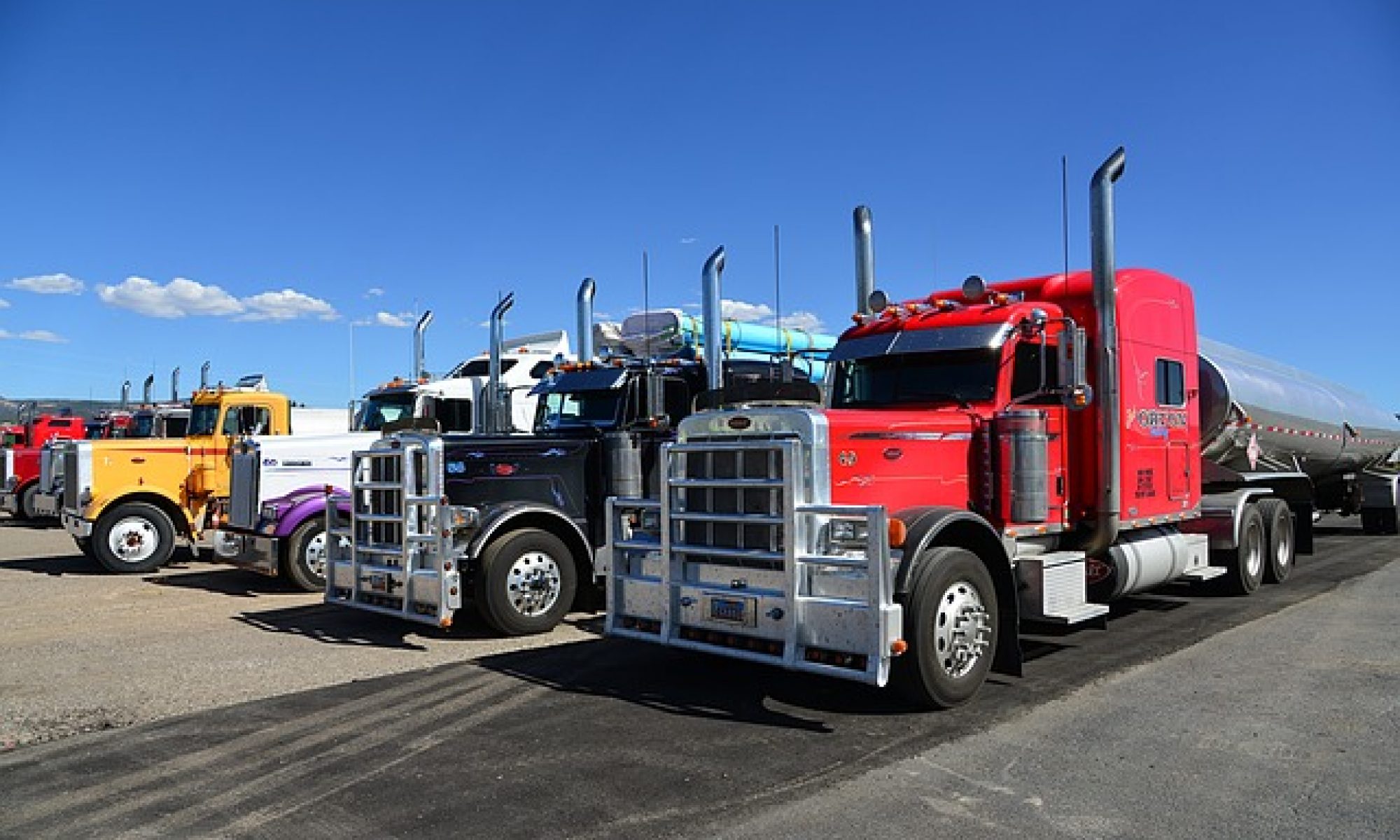
Most property managers underestimate the devastating impact heavy truck traffic has on conventional pavement. A single fully loaded 80,000 lb 5-axle truck causes as much pavement wear as up to 10,643 car passes, particularly on rigid pavement surfaces. Even more alarming, increasing truck weight to just 90,000 lb—a common scenario in logistics yards—can lead to a 42% spike in pavement wear, causing pavement designed for a 20-year lifespan to fail in only 7 years.
The weight and frequency of truck traffic, particularly in high-use areas like loading docks, can significantly wear down paved surfaces, causing pavement failure and structural damage. When pavement fails prematurely, businesses face not only expensive repairs but also operational disruptions that can cost thousands in lost productivity.
Engineering Solutions for Heavy-Duty Applications
Successful warehouse paving begins long before the first truck arrives. Heavy-duty asphalt paving uses specialized mixes, thicker layers, and stronger base materials to stand up to heavier loads and frequent traffic. The foundation is critical—pavement failures often begin at the base layer, especially in logistics zones with concentrated truck traffic, requiring thorough subgrade evaluations and often base stabilization with cement or lime for high-traffic areas.
Professional contractors understand that for truck-heavy areas, the aggregate base must be thicker and properly compacted to distribute loads and reduce stress on the asphalt surface, with increasing base thickness often more critical than simply adding more surface asphalt. This engineering approach ensures well-designed heavy-duty asphalt can last 20 years or more with proper maintenance.
Specialized Materials and Construction Methods
The choice of paving materials can make or break a warehouse operation. After more than 50 years of working on warehouse and fulfillment centers, industry experts know the best approach to paving heavy-use lots usually involves roller-compacted concrete (RCC), a pavement solution traditionally used for parking lots carrying heavy loads in low-speed areas.
For asphalt applications, contractors must carefully calculate specifications. The right thickness must accommodate heavy rigs, forklifts, and constant heavy truck traffic on new asphalt, incorporating the necessary sub-base materials for stability. Professional installations often use 2 inches of 12.5mm heavy-duty Superpave asphalt to ensure the surface can handle the daily grind of heavy traffic, resulting in a smooth, durable finish built to last.
The Importance of Proper Drainage and Site Preparation
Even the strongest pavement will fail without proper drainage. Heavy-duty asphalt failures often begin with poor drainage, as standing water softens subgrades, requiring drainage systems like trench drains, reinforced catch basins, and slope grading to be integrated into the paving plan.
Good site preparation is crucial for long-lasting pavement, especially in high-traffic industrial settings, requiring fixes to issues like poor drainage or unstable subgrades before laying new asphalt. This comprehensive approach to site preparation distinguishes professional contractors from those who simply resurface existing problems.
Maintenance Strategies for Long-Term Performance
Even the best-engineered pavement requires proactive maintenance. Industrial asphalt is high-stress, which means proactive maintenance is essential. Even properly built pavement benefits from ongoing maintenance, with sealcoating, crack sealing, and regular inspections helping prevent small issues from turning into structural failures, and maintenance schedules for truck-heavy sites needing to be more frequent than standard parking lots.
Regular inspections help identify minor issues before they become expensive problems, and monitoring weight limits ensures trucks and equipment using your pavement stay within the limits specified by engineers. This proactive approach significantly extends pavement life and reduces total ownership costs.
Choosing the Right Contractor for Your Warehouse Paving Needs
The complexity of warehouse paving demands experienced professionals who understand industrial applications. Industrial facilities and warehouses require pavement solutions that can withstand heavy vehicle traffic, constant use, and harsh operating conditions, necessitating durable, cost-effective paving that minimizes downtime and supports operations.
For businesses in the Capital Region seeking reliable warehouse paving solutions, Commercial Paving Stillwater, NY specialists like Morgan Construction Services bring the expertise needed for heavy-duty applications. Morgan Construction Services brings reliable construction expertise to Saratoga Springs with comprehensive excavation, concrete, and paving services, with their family-owned operation focusing on quality workmanship and competitive pricing for both residential and commercial clients.
Morgan Construction Services delivers durable construction solutions built for local conditions and long-term performance, using quality materials and proven installation methods to ensure concrete work and paving withstand local weather conditions and daily use. Their approach emphasizes the detailed planning and communication essential for successful commercial paving projects.
The Bottom Line: Investing in Quality Pays
While heavy-duty warehouse paving requires higher upfront investment, the long-term benefits far outweigh the costs. In high-traffic commercial environments, durability is an investment not an expense. Properly engineered and installed warehouse paving reduces maintenance costs, eliminates operational disruptions, and provides the reliable foundation your business needs to thrive.
When your business depends on seamless logistics operations, don’t let pavement failure become the weak link in your supply chain. Invest in professional heavy-duty paving solutions designed specifically for the demanding environment of warehouse and distribution center operations.